
 Indonesia
 English
.jpg)
Hello, Visionary Families!
If you’ve noticed, kids these days often spend hours engrossed in a virtual world called Roblox. But behind all the fun they have adventuring and playing there, there’s actually an opportunity we can guide them toward.
Instead of just being a game user, your little one actually has the chance to become the “architect” who designs their own creations. The key lies in a programming language called Lua.
It might sound unfamiliar to us, but in the digital world, Lua is one of the “languages of the future” that turns out to be very user-friendly and easy for children to understand. Let’s take a closer look at how this simple language can serve as an extraordinary bridge to sharpen children’s creativity and critical thinking as they build their own dreams.
What Is the Lua Programming Language?
Simply put, Lua is a “scripting language” used to give commands to a computer to perform certain tasks. The name “Lua” itself comes from the Portuguese word for “Moon”.
Lua is known as a language that is very lightweight, fast, and flexible. Because of its capabilities, Lua isn’t just used in Roblox, but also by major companies like NASA, Disney, and Adobe, as well as in the creation of other popular games such as Angry Birds and World of Warcraft. Within the Roblox world, Lua acts as the “lifeblood” that allows children to create their own rules, make characters move in unique ways, and design challenges within games.
As the name suggests, Lua is here to guide your little one’s first steps in exploring the world of technology. Simply put, Lua is a set of “magic words” that children use to tell a computer what to do.
Small, fast, and used by experts around the world
Although it feels very approachable for children to learn, Lua is no ordinary technology. It is known as a very lightweight and fast language, so it doesn’t put a strain on the computer when running.
Did you know, Visionary Family? Lua’s greatness has been recognized worldwide. This “Moon Language” is used by scientists at NASA, Disney, and even app developers at Adobe. In fact, popular games we’ve likely heard of, like Angry Birds, were also created with the help of this language.
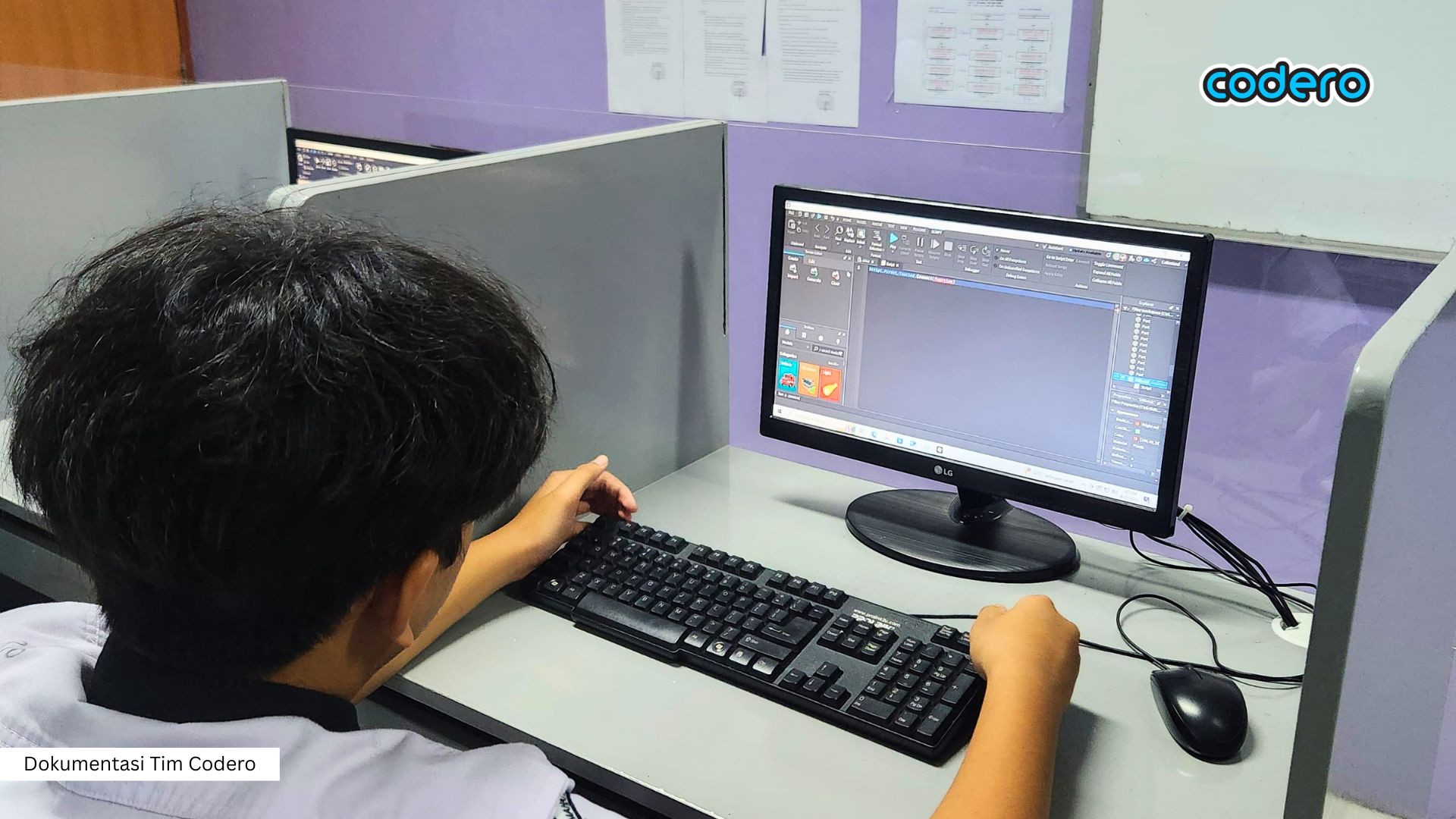
Why Is Lua Perfect for Kids?
Parents might worry that learning to code will be too complicated. However, Lua is a “language of creativity” specifically designed to be easy to understand, even for complete beginners. That’s why Lua has several advantages that make it very kid-friendly:
1. Simple rules
Lua is designed with very concise rules. Your little one won’t be overwhelmed by complicated typing rules or confusing punctuation. Writing code in Lua feels almost as easy as writing a simple sentence, so children can focus more on their creative ideas.
2. Easier to learn
If your child has previously enjoyed playing “block-based coding” games like Scratch, then Lua is the perfect next step.
It serves as a bridge connecting the “block-building” world to the world of “actual code typing” in a very seamless way without overwhelming the child.
3. A coding companion for teenagers (ages 11–16)
At this age, children’s curiosity is usually at its peak, especially the desire to tinker with their favorite games. Lua serves as the perfect tool to channel that curiosity into tangible creations.
4. Results are visible right away
One of the wonders of learning Lua, especially through the Roblox platform, is that your child can immediately see their creations come to life within the game. The sense of pride when seeing their characters or worlds move according to their own commands is the best motivation that will make your little one even more enthusiastic about continuing to learn.
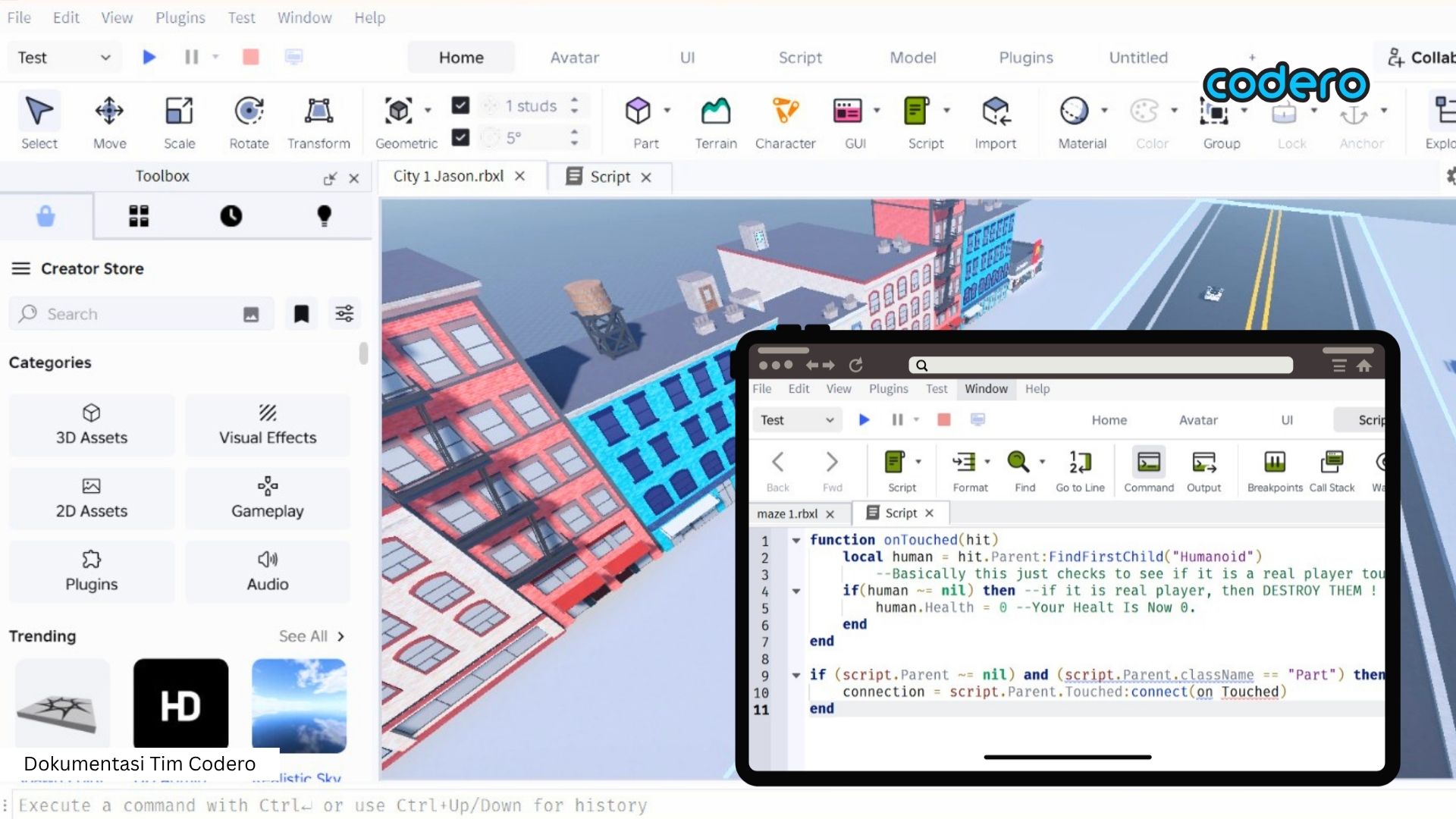
Learning to code with Lua isn’t just about typing commands on a computer screen. Without realizing it, your little one is sharpening their logical thinking and problem-solving skills in a very fun way.
So, amazing parents, are we ready to support our children in turning their hobby of playing games into a future skill they can be proud of? With Lua and Roblox, let’s guide them as they leap from being mere “players” to becoming “creators and innovators” of their own digital future.
References:
.jpg)
.jpg)
.jpg)
.jpg)
