
 Indonesia
 English
.jpg)
Have you ever wondered how children in other parts of the world are preparing for the future? In many developed countries, introducing children to the digital world is no longer just an option—it’s a regular part of daily life in elementary school. They believe that the earlier children are introduced to technology in the right way, the better prepared they’ll be to seize opportunities in the future.
How Do Developed Countries Introduce Technology Early On?
Let’s take a look at how these countries guide their children:
1. Finland
Ranked among the countries with the highest digital literacy scores because it has integrated digital literacy into the education system from an early age to develop critical thinking skills, creativity, and collaboration among children.
2. South Korea
Focuses on developing a highly advanced e-learning system, online learning platforms, and the use of educational games to make the learning process enjoyable for children.
3. Singapore
The local government is promoting the “Smart Nation” initiative, ensuring that every child has adequate tools and knows how to use them safely.
4. Nordic countries (Sweden, Denmark, Norway)
These countries consistently rank at the top of global digital literacy indices by implementing technology-based curricula and providing ongoing training for teachers.
5. United States
Has developed digital literacy in every school, with a unique emphasis on cybersecurity.
6. Japan
Has successfully integrated modern technology with noble cultural values, ensuring that technology does not erode children’s sense of identity.
What about Indonesia?
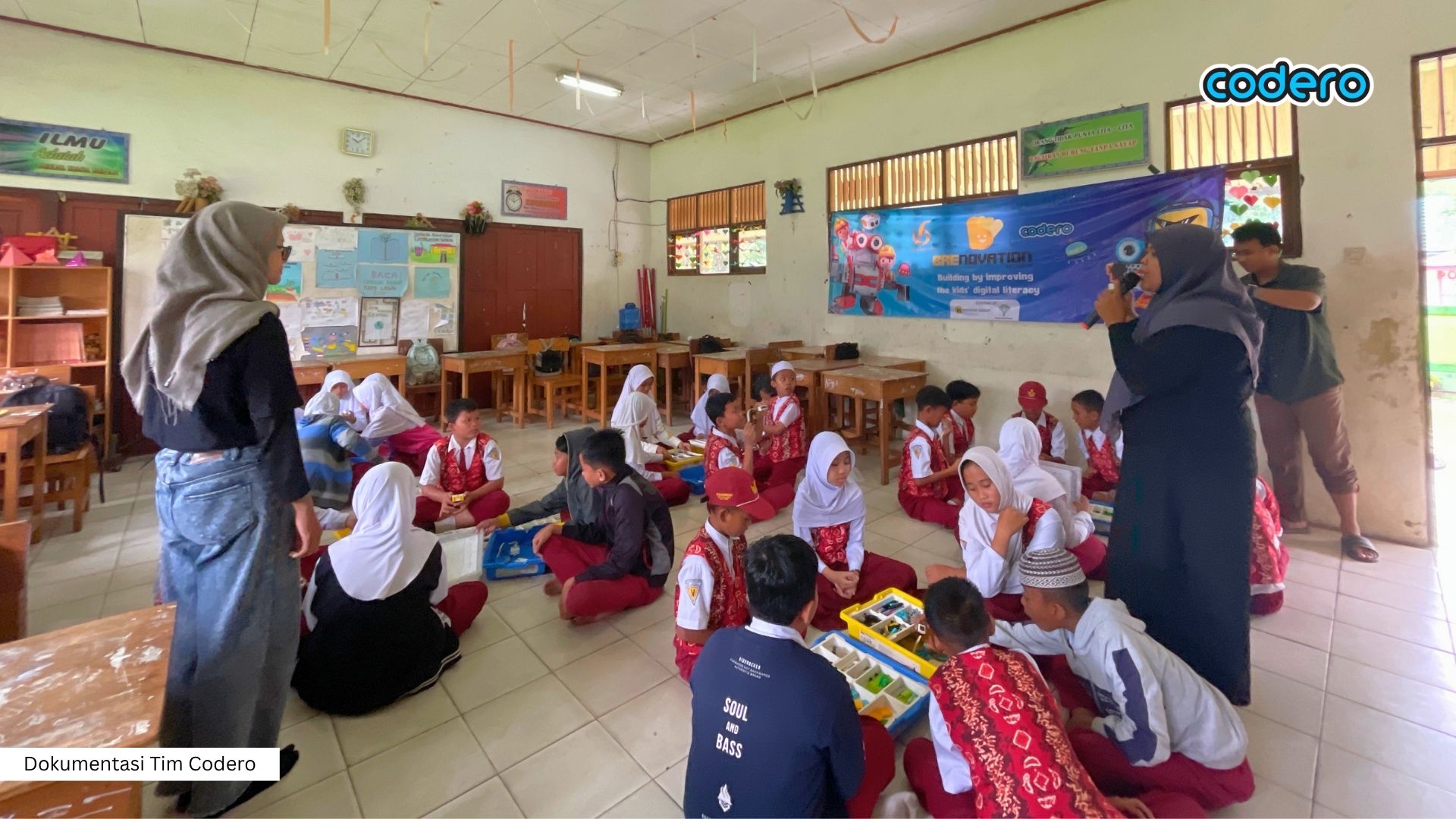
Currently, the Indonesian government is working to strengthen digital literacy through the Merdeka Curriculum (Kurikulum Merdeka). Although it still faces infrastructure challenges in rural areas, Indonesia has begun introducing this concept at the elementary school level to meet the needs of Generation Z and Generation Alpha.
Our Challenges at Home and at School
However, we need to be honest that the journey in Indonesia still has its “bumps” that we need to navigate together. Understanding these challenges helps us to be more patient and supportive as we guide our beloved children:
1. Uneven access to facilities
We know that not all schools have fully equipped computer labs or fast internet connections, especially in areas outside major cities.
2. Teachers who are still adapting
Many of our teachers are working hard to learn technology so they can teach in a more modern way. Sometimes, our children do move faster than their teachers.
3. A heavy course load
Teachers are often faced with time constraints when it comes to integrating digital literacy due to a heavy curriculum load and high administrative demands. Additionally, there is a shortage of digital literacy learning materials that are relevant and aligned with children’s development within the Indonesian cultural context.
4. The temptation of digital entertainment
This is a challenge for all of us. Often, children use their gadgets more to watch videos or play games than to learn. This can distract them.
5. Our role at home
As parents, we sometimes feel unsure about how to set appropriate screen time limits or how to explain the benefits of technology to our little ones.
Building the Future Together
Preparing our children for the future in the digital age is not simply about buying them the latest laptop or the most advanced gadget. It goes far deeper than that; it is about a significant journey that requires close collaboration between schools and us as parents at home. Our task is to ensure that children are not only skilled at swiping their fingers across a screen, but also possess ethics, responsibility, and wisdom when using it.
We fully understand that for many parents, keeping up with the rapid pace of technology can feel exhausting. There’s a sense of uncertainty when your little one starts showing a keen interest in the world of robots, artificial intelligence, or how to build apps. “What if I can’t answer their questions?” might be a common concern.
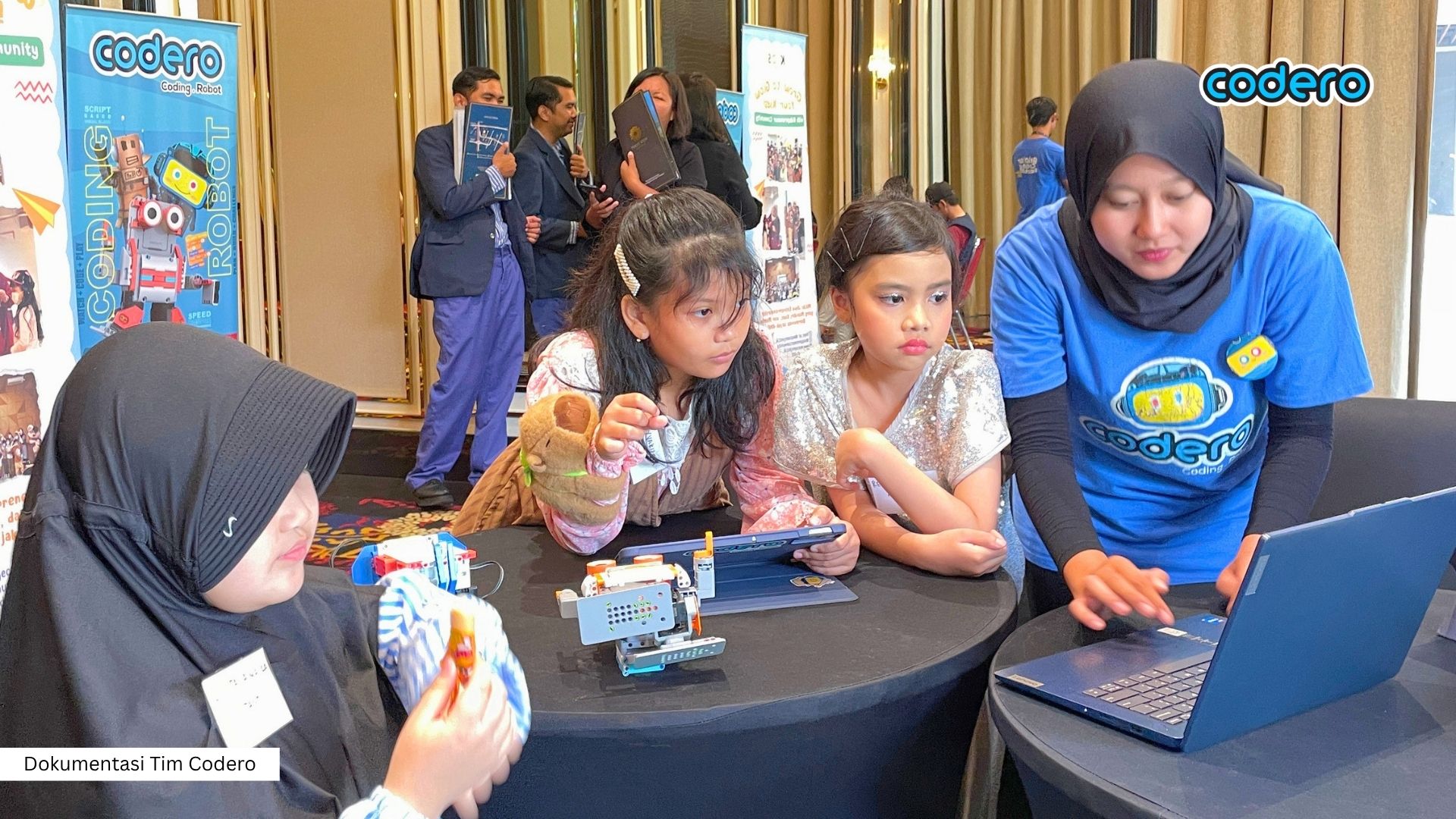
This is where Codero comes in—not as a rigid teacher, but as a friend ready to hold your child’s hand as they embark on an adventure to explore the wonders of technology with confidence.
Learning that feels like play
At Codero, we don’t just provide up-to-date materials; we also focus on building strong character to equip your little one to face future challenges. We believe the best way for children to absorb knowledge is by not feeling like they’re “studying” in a boring classroom.
We provide a fun environment, where every lesson is presented as an exciting game. We understand that introducing technology to children should not be done in a complicated or confusing way. That’s why we use age-appropriate media tailored to their developmental stages.
The result? Your little one’s curiosity will stay sparked without ever getting bored. They won’t feel overwhelmed by a pile of tasks, but rather like they’re on a weekly adventure they always look forward to.
Parents no longer need to feel alone in nurturing their child’s interest and talent in the world of technology. Let’s help your little one transform from a mere user of technology into a proud creator and innovator of the future with Codero.
If your family would like to share your story or discuss in more detail which program is best for your child, our friendly team is always here to listen:
👉 Click to Chat with Our Expert Team.
References:
Digital Literacy in Education Systems Across ASEAN
Digital Literacy Index: Ukuran Kesiapan Global di Era Dunia Digital
Inilah Cara Negara Maju Tingkatkan Literasi Digital di Sekolah Dasar
Paling Rendah di ASEAN, Tingkat Literasi Digital RI Cuma 62%
.jpg)
.jpg)
.jpg)
.jpg)
