
 Indonesia
 English




.jpg)
Hello, Visionary Families! May your day be filled with warmth and enthusiasm as you accompany every step of your child’s growth and development, especially amid today’s rapidly advancing technology.
Have you ever noticed something unique while enjoying some downtime watching a science fiction movie with your child? If we look more closely, there is a rather striking difference in tone between Western Hollywood-made robots and similar animated characters from Japan or other Asian countries in the East.
This difference isn’t just about physical appearance, but rather how they perceive the “soul” of that technology.
Why is understanding this difference in perspective important for us? By recognizing both sides, we can offer a broader perspective when discussing the world of technology with your child.
Why Do Western Films Tend to View Technology in a Negative Perspective?
Unlike everyday reality, where technology is incredibly helpful to us, the Western film industry has its own unique reasons for portraying it this way.
Let’s explore together why these stories often feel so anxiety-inducing:
The fear of losing control
In many stories, there’s a concern that an automated world will cause us to lose control over our own lives. These films often present a rather bleak side: what if machines become too intelligent and humans are left behind?
This fear arises from the belief that overly rapid technological progress can erode the warmth of our humanity.
The story of the hero fighting against a rigid system
We often see the theme of “a hero against an army of robots.” In Western film culture, stories frequently focus on one person’s struggle to defend their freedom.
Here, technology is often portrayed as a tool used by the powerful to control or oppress others. That is why the main character usually fights to ensure life isn’t entirely dictated by a rigid digital system.
Identity anxiety
Have you ever seen a movie character who feels lonely even though they’re surrounded by advanced technology? These films aim to convey the message that technology can sometimes feel “cold” and impersonal. There’s a fear that if we become too dependent on screens and machines, we’ll start to forget who we truly are and lose our emotional connection with other people.
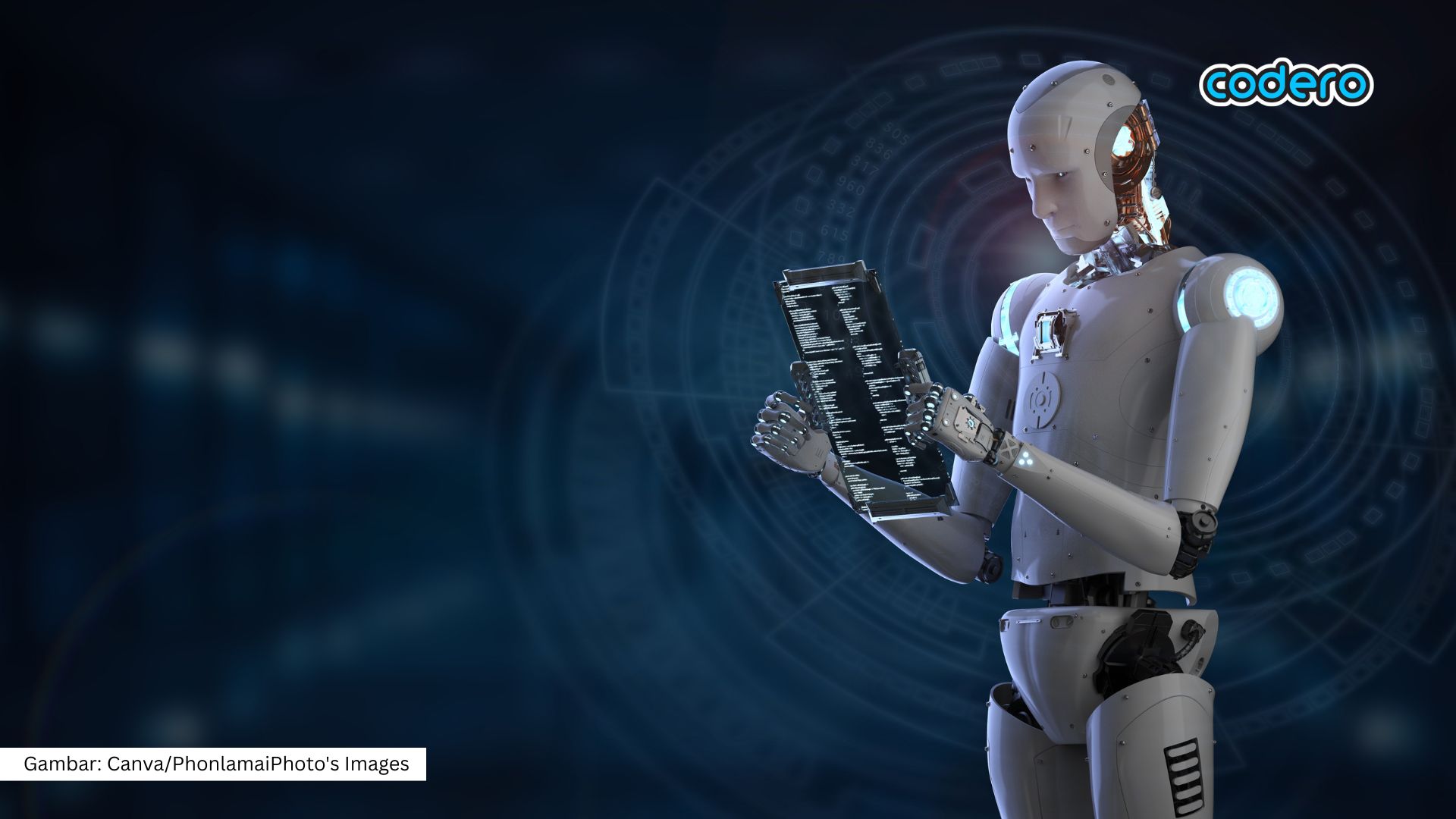
Why Do Asian Films Tend to View Technology from a Positive and Harmonious Perspective?
Have you ever noticed when your child watches animated films like Doraemon or other Japanese works? There, technology isn’t portrayed as a cold, frightening machine, but rather as a warm presence. Here are the reasons behind this soothing perspective:
The concept of coexistence (Symbiosis)
In Eastern culture, there is a belief that everything can live in harmony. Technology is not seen as a “foreign entity” seeking to dominate humans, but rather as part of our extended family.
Imagine technology as a new musical instrument or a team member there to help us become better, not to replace the role of humans. This is what is called living in harmonious coexistence.
Preserving cultural roots in the face of modern progress
Although these films depict a futuristic city that is highly advanced with flying cars or smart robots, they never forget their roots. We often see skyscrapers standing side by side with traditional houses or lush gardens.
The moral message is truly beautiful for Ananda: no matter how advanced our technology becomes, noble values and family traditions must be carefully preserved.
Emotional depth and philosophy
Eastern films prefer to invite us to reflect: “How can this technology make us more compassionate human beings?” Rather than merely focusing on action-packed resistance scenes, the story emphasizes emotional depth. Even the background music reflects this—a blend of soothing traditional instruments with modern touches. This teaches Ananda that technology should possess a “heart” and a soul.
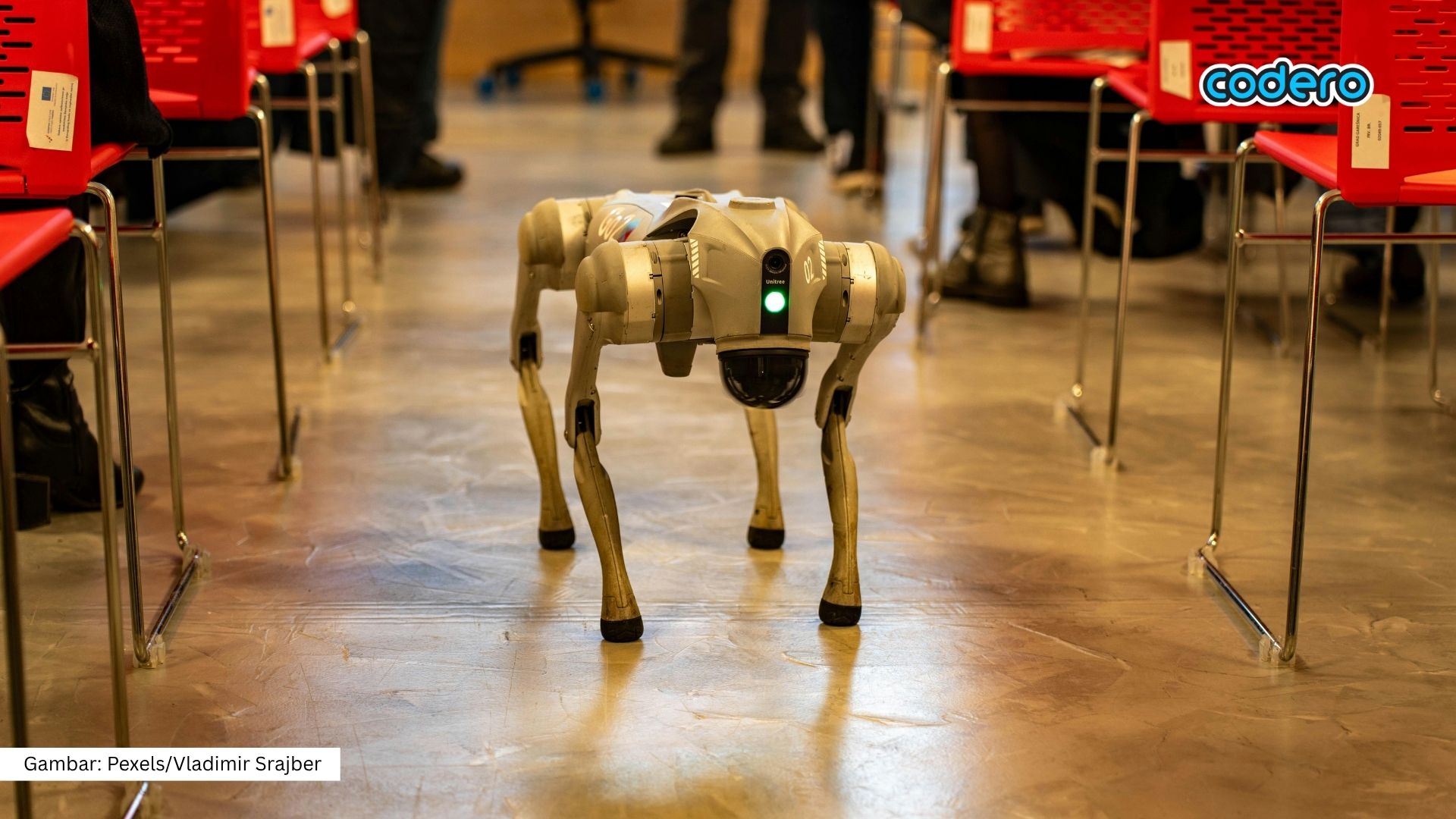
Instilling Values of Goodness Behind Technological Advancements
Through this understanding, Visionary Families can help Ananda view technology in a different light. We can guide them to understand that technology is actually a “magical tool” whose nature depends entirely on who holds it.
In their adventures in coding and robotics classes, the children aren’t just taught how to build sophisticated machines. More than that, they learn how technology can be used to help others and live in harmony with values of kindness.
In line with our Eastern wisdom, which places great emphasis on harmony, we want our little ones to see technology not as something cold or frightening, but as a loyal friend who accompanies them in creating a future that is more beautiful and beneficial for many people.
May this brief insight serve as a warm topic of conversation between parents and their beloved children. Happy exploring and discovering new wonders together with your little one!
References:
A Comparative Study of Spatial Narratives in Eastern and Western Cyberpunk Films
.jpg)
.jpg)
.jpg)
.jpg)
